



Anal Beads: Design, Sizing, Materials and Thoughtful Use

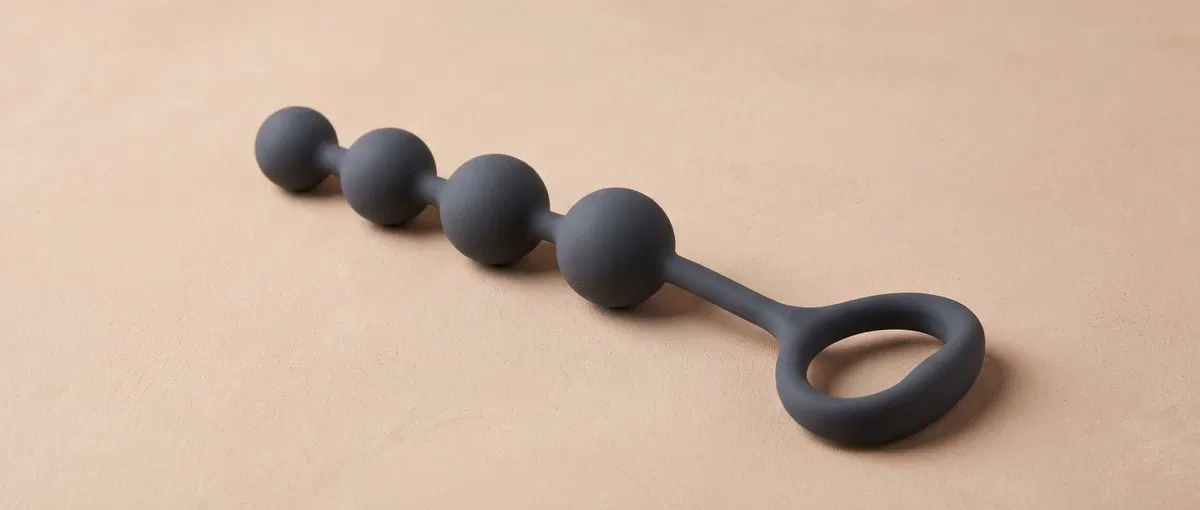
Anal beads are designed to be gradual, rhythmic, and responsive to the body’s pace. Whether you are curious about first-time exploration or refining what already works for you, the best experience usually comes from understanding how the beads are built, how they move, and what design details help you feel secure. This guide looks closely at size, spacing, stems, handles, materials, lubrication, and the unhurried techniques that tend to make anal beads comfortable in practice. You can browse a range of anal beads to compare styles as you read.
Anal beads are different from anal plugs. Plugs are made to rest in place; beads are made to move in and out in small increments, with each bead offering a moment of stretch followed by release. That “stretch–rest” pattern is why spacing and stem flexibility matter. If you prefer the feeling of fullness that holds steady, a plug may suit you; if you enjoy a sequence of lighter expansions, beads may be the more intuitive choice.
Lubrication and patience are just as important as product design. Beads glide more comfortably with a generous amount of compatible lube—especially around the larger beads on a strand. If you are updating your bedside kit, consider matching a strand to your preferred lubricants so you can focus on pace rather than friction. The sections below address design elements first, then preparation, technique, hygiene, barrier options, communication, and the practical trade-offs that help you buy well. These items are for personal pleasure and exploration; they are not medical devices.
How Anal Beads Are Built: Core Design Elements
Anal beads typically consist of a series of rounded nodes—often called beads—linked along a stem that ends in a handle or retrieval loop. The goal is to provide gradual dilation: each bead stretches the anal opening briefly, followed by a slimmer section that lets the sphincter settle. When you withdraw the beads, the process reverses, delivering a rhythmic pattern that many people find satisfying at slower or faster tempos, depending on mood.
Core parts include:
- Beads: Usually spherical or slightly oval, sometimes tapered or faceted. Sizes may be uniform or graduated from small to larger.
- Stem: The thinner connector between beads. Its thickness and flexibility shape how the strand bends and follows your anatomy.
- Stopper/Base: A flared end, T-bar, or handle designed to prevent the strand from slipping in fully and to make removal controlled and secure.
- Handle/Loop: A thumb grip or finger loop to steady insertion and guide a gentle, predictable withdrawal.
In use, these elements work together. A slim, flexible stem allows each bead to seat independently without prying the opening beyond the current bead’s size. A firm, flared base keeps the toy anchored outside the body so you do not need to hold the last bead constantly. The handle provides leverage for slow, incremental removal when you are ready.
Bead Diameter, Taper, and Spacing in Practice
Diameter sets the stretch. Spacing defines the rhythm. Together they determine how a given strand will feel.
Bead size: Beginners often prefer strands that start around 8–12 mm in diameter and graduate slowly to 18–22 mm. These smaller increments allow you to pause at a bead that feels comfortably snug without pressure to continue. Intermediate users may enjoy 20–30 mm beads, while experienced users sometimes choose even larger diameters or strands with fewer, bigger beads for stronger peaks of stretch. Uniform-size strands can be enjoyable once you know the diameter you like, but many people find graduated sets easier to learn with.
Taper and shape: A bead with a gentle taper at its leading edge tends to enter more easily and reduce abrupt transitions. Round beads feel classic and predictable; ovals can present a slightly more progressive stretch; faceted or textured beads may add subtle friction and sensation but require more lube and deliberate pacing.
Spacing: The distance between beads matters more than it first appears. Wider spacing lets the anal opening relax fully around the stem before the next increase, often creating a distinct “wave” as you move. Very close spacing can feel like one continuous swell, which some people prefer but others may find tiring. For first-timers, moderate spacing—where the stem is clearly narrower than the beads and each bead is separated by at least one stem-width—is usually the most forgiving.
Flexible vs. Rigid Stems
Stem flexibility changes how beads track the body’s natural curves. A pliable silicone stem can drape along the perineal angle and sacral curve, reducing leverage on the anal opening. This often feels more accommodating during first uses and when changing positions. Flexible stems can also make withdrawal feel “snaky” and fluid, emphasizing the distinct pop-and-rest sequence.
Rigid or semi-rigid stems (found in some plastic, glass, or metal designs) transmit movement more directly. That can deliver a clearer, more immediate stretch and crisp transitions from bead to bead. Some experienced users appreciate the precision. The trade-off is that a rigid stem may ask for more careful alignment and slower pace, especially when turning or squatting, to avoid levering a larger bead before the opening is ready.
If you are uncertain, a moderately flexible stem in body-safe silicone is a reliable starting point. Later, you can try a firmer build to compare the feel. Many people end up keeping one of each for different moods.
Retrieval Design: Handles, Loops, and Bases
The end of a bead strand should always include a broad, secure stopper—such as a flared base, T-handle, or substantial ring—that remains outside the body. This is not optional. The anus and rectum can draw smooth objects inward; a proper base ensures you can retrieve the toy calmly without improvisation or risk.
Loop handles: Finger loops give clear directional control for slow removal and are easy to grip with lubricant present. Look for a loop with rounded edges and enough interior space for a finger without pinching. A double-loop design can improve dexterity if your hands get slippery.
T-handles and flares: T-bars sit flat between the cheeks and are discreet if you are moving around. They spread the point of contact across more surface area than a thin ring, which may feel more comfortable during longer sessions. Broad, flared bases work similarly and are particularly important for shorter strands that might otherwise travel inward.
Why secure retrieval matters: A confident, well-designed handle or base lets you pace withdrawal bead by bead. This is when sensations often crest, and it is also when you want safety most—gentle, stable control reduces the chance of accidental speed or yanking. A reliable base also means you can relax pelvic muscles and focus on breathing rather than gripping the toy to keep it from slipping.
Materials: Silicone, TPE, Glass, and Metal
Material affects texture, flexibility, temperature, weight, and care. Choosing what suits you involves balancing how it feels in motion with how easy it is to clean and store.
Silicone: High-quality silicone is widely favored for beads because it is soft-touch, flexible, and generally non-porous. It warms to body temperature and pairs well with water-based lubricants. Many silicone strands have seamless construction, which simplifies cleaning. Some silicones are compatible with silicone lubricants, but some are not; a small patch test on the toy’s base is prudent if you want to try that pairing. When in doubt, use water-based lube. Depending on the manufacturer’s instructions, some platinum-cure silicone toys may tolerate higher-heat cleaning; always follow product guidance.
TPE and similar soft elastomers: These can feel plush and flexible at a lower price point. Many are porous, which means they can harbor residues despite washing. For that reason, they are best kept for one user only, used with a condom if sharing is a possibility, and cleaned promptly with mild soap and warm water. Store away from heat and other toys to preserve the material.
Glass: Borosilicate glass beads slide with very low friction, take on temperature readily (always test warmth or coolness in your palm first), and are easy to clean thoroughly. They are rigid and may feel intense on insertion and removal, so a gradual, well-lubricated pace is wise. Inspect glass carefully before each use; do not use if you see chips or cracks.
Metal: Stainless steel or aluminum beads are weighty, slick with lube, and easy to sanitize according to manufacturer instructions. The added mass can amplify the sense of movement at slower speeds. As with glass, metal is rigid; go slowly and align carefully to avoid levering during insertion.
Surface finish and seams: Regardless of material, look for a smooth finish and minimal seam lines where parts meet. Small mold lines that are harmless in other toy types can feel scratchy in anal use because pressure is focused during transitions. Run a fingertip along the entire strand; you should not feel rough edges. If the design includes deliberate texture, understand that it may require more lubrication and gentler pacing.
Note on purpose: Pleasure products are intended for personal exploration and are not medical devices. Choose body-safe materials from reputable makers, and retire any toy that becomes sticky, misshapen, or develops surface damage.
Lubricants That Suit Beads and Bodies
Lube reduces friction, helps the largest bead on a strand feel feasible, and lowers the chance of micro-tears. The right formula depends on material and your preferences.
Water-based lubricants are versatile, easy to wash off, and compatible with all materials and condoms. They may require reapplication during longer sessions, especially with textured beads. You can keep a pump within reach or decant into a travel bottle for one-handed use.
Silicone-based lubricants last longer and stay slick under friction. Many people appreciate them with silicone beads for a very smooth motion; however, some silicone toys can soften or discolor when used with silicone lube. If you want to try this pairing, apply a tiny amount to the base and wait, or choose a strand confirmed by the manufacturer to be compatible. Silicone lube is fully compatible with glass and metal beads.
Oil-based lubricants provide cushion and slide but are not compatible with latex condoms. If barrier use is part of your plan (see the barrier section below), avoid oils unless you are using polyurethane or nitrile condoms. Oils can also be harder to clean from porous elastomers.
A practical tip: apply lube generously to yourself and lightly coat the first few beads. As you proceed, reapply to the next bead rather than trying to saturate the whole strand at once. This keeps your grip on the handle more secure and focuses lubrication where it is needed most.
Preparing Gently: Warm-Up and Pacing
Anal muscles respond best to unhurried attention. A few minutes of warm-up can make the difference between a tentative experience and a comfortable one.
Breathing and awareness: Start with deep, steady breaths. On each exhale, consciously soften your pelvic floor, including the external anal sphincter. Light external massage around the anus with a lubed fingertip can help your body recognize gentle stretching and release.
Gradual size increases: If you are new to anal beads or returning after a break, begin with the smallest bead on the strand and consider stopping at the first or second bead for a session. There is no rule that says you must reach the largest bead. Many people find satisfying sensation with only a few beads inserted and slow, partial withdrawal/re-entry.
Warm-up tools: Some like to start with a slim finger or a small, tapered plug before using beads, especially if the first bead on the chosen strand is larger than 15–18 mm. If that appeals to you, a petite plug from the anal plugs range can provide a predictable pre-stretch. Others prefer to warm up using just the smallest bead and extra lube, which also works well.
Insertion and Removal with Care
Positions: Lie on your side with knees slightly bent, or stand with one foot on a low stool. Some prefer a shallow squat. The aim is to keep your back and hips relaxed so the anal canal can align comfortably with the approaching bead.
Insertion: Guide the first bead to the opening and pause. On an exhale, apply gentle inward pressure without pushing through resistance. When the bead passes the sphincter, rest and allow your body to adjust around the stem. Add more lube as needed. Repeat with the next bead only if the previous one feels fully comfortable. If a bead feels too large on a given day, stop where you are; enjoying the shallower beads is a complete session in itself.
Removal: Keep one hand on the handle or loop. Withdraw on a slow exhale, allowing each bead to pass one at a time. If the last bead feels reluctant, pause and take two or three easy breaths rather than pulling harder. Many people find that timing removal with an exhale or during a wave of pelvic relaxation makes transition smoother.
Protecting tissue: Avoid force, fast yanks, or twisting sharply during insertion or removal. Purpose-built beads are designed to be taken out gently; your experience is likely to feel better when the pace remains measured. If you ever lose track of the base or cannot feel it, stop and reassess before proceeding.
Partner Communication and Shared Timing
If you bring anal beads into partnered play, shared pacing and clear cues can make the experience calmer and more connected. Agree on signals that are easy to use in the moment: a hand squeeze to pause, a nod to continue, or a word to stop. Check in about speed and depth before starting, then revisit those agreements once or twice during use; preferences can change as your body warms up.
Rhythm and timing: Some enjoy a steady, slow withdrawal during a moment of heightened arousal; others prefer small in-and-out motions at the shallower beads. Because the sensations of entry and exit are distinct, try both and talk about which you prefer. If your partner is operating the beads, ask them to move only on your exhale, which naturally encourages relaxation.
Integrating with other play: Beads can complement touch elsewhere or pair with toys used externally. If you are curious about coordinating movements, review options in couples sex toys for ideas on timing and remote control features that may suit your style. Keep one hand or a clear line of sight on the base so retrieval remains controlled.
Cleaning, Drying, and Storage Basics
Before first use: Wash new beads with warm water and a mild, fragrance-free soap, then rinse thoroughly and dry with a lint-free cloth. This removes manufacturing residues and dust.
After each session: Clean promptly with warm water and mild soap or a purpose-made toy cleaner. Pay attention to the stem and the spaces where beads meet the stem; residue can accumulate in these small transitions. For rigid materials like glass and metal, consult the maker’s instructions for higher-heat sterilization options if you want them.
Drying and storage: Allow beads to dry completely before storing to discourage moisture buildup. Silicone can attract lint; a small storage pouch helps keep strands dust-free. Keep TPE and other soft elastomers separate from silicone or PVC items to prevent material interactions. Inspect for changes in texture or color over time; retire any toy that becomes sticky, cloudy, cracked, or develops raised seams.
If you use condoms over beads for ease of cleanup, remove and discard the condom first, then wash the toy as usual. Cleaning still matters because lubricants and residues can travel underneath barriers during use.
Barriers and Condom Strategies for Beads
Barrier use is a personal choice that can make sharing safer and cleanup simpler. A snug, non-lubricated condom can be rolled over the beads before insertion. This creates a removable sleeve that you can discard after use.
Considerations:
- Material compatibility: Oil-based lubes can weaken latex condoms; choose water-based or silicone-based lube if you are using condoms. Polyurethane or nitrile condoms are compatible with oils but may feel stiffer.
- Size and stretch: Because beads are not uniform in diameter, choose a condom that can stretch over the largest bead without tearing. Roll slowly and smooth out trapped air bubbles as much as possible.
- Sharing and switching: If you plan to share a strand between partners or switch between anal and other types of play, change to a fresh condom each time to reduce transmission of bodily fluids and bacteria.
Barriers are not a guarantee of safety, but they can reduce some risks and streamline cleanup, especially with porous materials. Inspect the condom after removal; if you see tears, clean the toy thoroughly before storing.
Discomfort, Red Flags, and When to Pause
Listening to your body is central to thoughtful use. A feeling of firm pressure that eases with breath is common; sharp pain, burning, or a sense of tearing is not. If discomfort appears, slow down, add more lube, and step back one bead. If that does not resolve it, stop for the day. Some days the body simply prefers smaller sizes or shorter sessions.
Seek timely help if you experience significant bleeding, persistent severe pain, fever, or if a toy becomes fully lost inside and you cannot retrieve it. Do not attempt risky extraction methods. Contact a healthcare provider or urgent care. These products are for pleasure; they are not medical tools, and your wellbeing comes first.
Putting It Together: Trade-Offs and Picks
Choosing anal beads becomes simpler when you frame the decision as a series of small, honest trade-offs matched to your priorities. Here is how the main choices compare in everyday use, without repeating earlier points:
Size progression: Graduated strands are adaptable—one toy covers a range of sensations and lets you stop where your body is content. The trade-off is that the largest bead may still be beyond what you want on many days, which is fine; you will use the earlier beads most. Uniform-size strands excel once you know your preferred diameter and want repeatable sessions, but they are less flexible for experimentation.
Spacing: Wider spacing delivers clearer waves and more rest time between peaks, which can be friendlier for beginners and for longer sessions. Tighter spacing offers a smoother, almost continuous glide that some find meditative. If you are undecided, moderate spacing keeps options open.
Stem flexibility: Soft silicone stems adapt to your posture and can feel forgiving at changes of angle. Rigid stems give crisp transitions but ask for deliberate alignment and slower tempo. If control matters most to you, choose a confident handle and a stem with just enough give to follow your movement without flopping.
Handles and bases: A large, rounded loop is intuitive and easy to grip with lube; a T-handle is discreet and comfortable for wearing briefly between motions. If you have reduced hand strength, a double loop or a textured handle improves control. Always prioritize a broad stopper that clearly remains outside the body.
Materials: Silicone offers warmth, flexibility, and straightforward care, making it a strong all-rounder. Glass and metal provide slickness and weight with simple cleaning routines, balanced by the intensity of rigidity. TPE and similar elastomers feel soft and budget-friendly but ask for condoms if sharing and more attentive storage. Match the material to your willingness to clean and your appetite for firmness.
Lubrication: Water-based lube is universally compatible and easy to refresh; silicone lube lasts and excels with rigid surfaces but may not suit all silicone toys. If in doubt, start water-based, and bring a pump bottle within reach so you never rush a bead because you are short on slip.
Use cases: For a first purchase, a soft, body-safe silicone strand with small-to-medium graduated beads, moderate spacing, and a generous retrieval loop is a practical, confidence-building pick. If you already enjoy that style, consider adding a second strand that contrasts on one axis—either a firmer material, larger final bead, or closer spacing—so you can switch based on mood without relearning basics.
Budget vs. longevity: Entry-level strands can be excellent for learning pacing and preferences. If you want fewer seams, more refined handles, and predictable materials that hold up for years, mid-range to premium silicone, glass, or stainless-steel designs are worth the investment. A thoughtful, well-made strand often feels better at lower speeds, which is where comfort lives.
Ultimately, the “best” anal beads are the ones that match your current body comfort, your pace, and how much maintenance you are willing to do. Start at the small end, lube generously, breathe, and let the retrieval design do its job. When the toy makes it easy to go slowly, your body usually rewards the patience.
References
For further reading, consult these public-health and consent resources: